Rooted in Community: How Chicago is Building its Food Economy
Across several neighborhoods in Chicago, the distance between a family and a fresh vegetable can feel insurmountable — not because the food doesn’t exist nearby, but because the systems to grow, sell, and sustain it have never been built.
That’s what PHA’s Good Food Cities – our place-based initiative to build healthier communities – is working to change.
Today, Partnership for a Healthier America, the Greater Chicago Food Depository, and the Chicago Food Equity Council are announcing $100,000 in community subgrants to three organizations building the infrastructure for a more equitable food economy.
From Garden to Business: Experimental Station
One of the most persistent gaps in Chicago’s food system isn’t a shortage of growers; it’s a shortage of pathways for those growers to legally sell what they grow. Experimental Station is working to close that gap.
In 2023, the City of Chicago passed the Urban Agriculture Business License Enhancement Ordinance to allow farmers and community gardens to sell their produce legally. Experimental Station built directly on that opening, launching its Farm Stand Business Development course in 2024 to guide growers through the process. With instructional support, the course covered the application process, produce safety, farm stand marketing, and more.
By the end of 2025, 20 participants had completed the course and made plans to pursue a license. Felicia Kimber of Stalwart Market was one of them. “We open the garden next month,” she said. “Without Fresh [class instructor] I wouldn’t be able to do what I did. It took so much pressure off. It was divine.”
Pictured: Felicia Kimber of Stalwart Market, one of 20 urban growers to complete Experimental Station’s Farm Stand Business Development course and obtain Chicago’s new farm stand business license. Photo courtesy of Experimental Station.
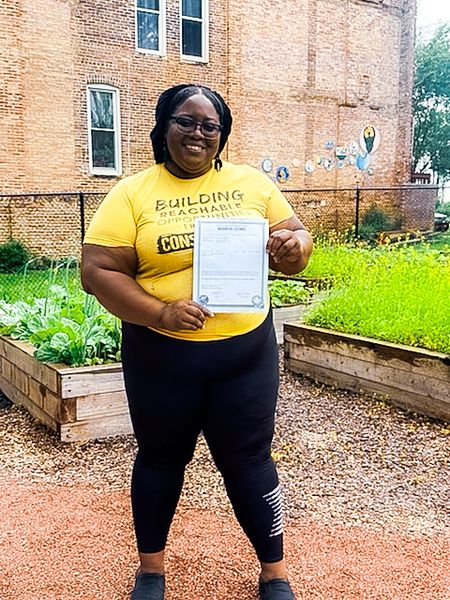
Through Experimental Station’s Link Up Illinois program, once licensed, growers like Felicia could apply to accept SNAP, and neighbors could then use Link match to double the value of their SNAP benefits to purchase fresh, locally grown produce at essentially half price.
With a $50,000 grant from PHA, Experimental Station is now expanding that work. The program equips BIPOC gardeners to obtain city produce merchant licenses and sell produce directly in food-insecure neighborhoods. The expansion builds further on the previous Farm Stand Business Development course to make more community-level produce sales legally possible across the city.
“Food markets should be decentralized — built right where people live, not in one consolidated place people have to travel to,” said Connie Spreen, Executive Director of Experimental Station. “How do we help people across the city grow their own food, start small businesses, earn money? We can’t do a ton for their standard of living, but we can do a lot for quality of life — and two of the most important things in well-being are access to really good food and the relationships built around it.”
A Market Built for the Neighborhood It Serves: Plant Chicago
In Chicago’s Back of the Yards — a predominantly working-class, Hispanic and Latinx neighborhood — Plant Chicago runs Mercado de Intercambio, a monthly farmers market designed to ensure that local food reaches the community where it’s grown.
“Small farmers are often drawn to larger, more affluent markets where households can pay a little more. We try to bridge that gap,” said Jonathan Pereira, Executive Director of Plant Chicago. "We want to make sure that food that is grown here can actually make it to local households.”
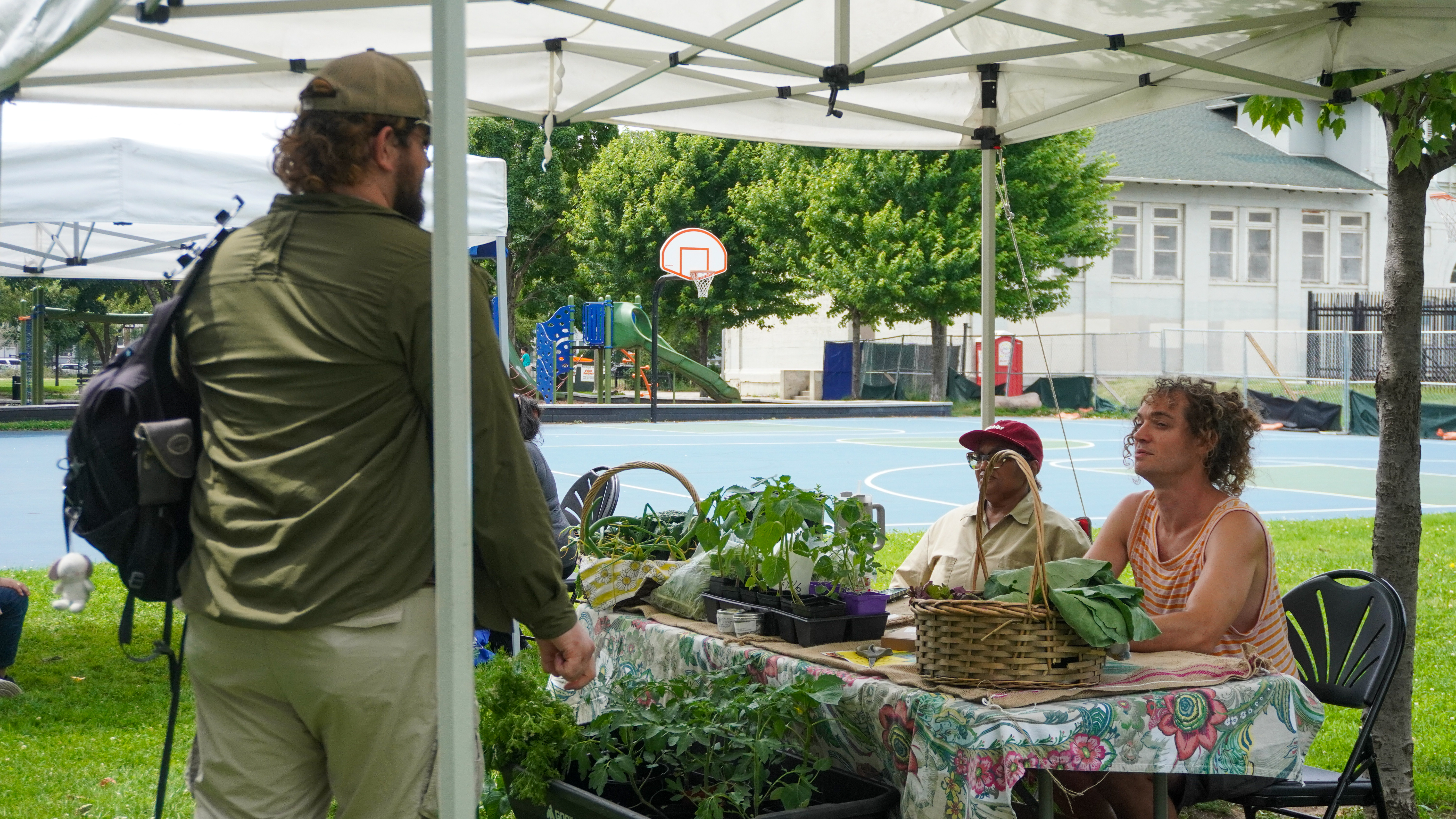
A $25,000 grant from PHA will help Plant Chicago run the mercado, alongside cooking demonstrations using seasonal produce and healthy food incentives. Plant Chicago is partnering with Cedillo’s Fresh Produce, a third-generation farm rooted in Englewood, to manage market operations and expand vendor programming.
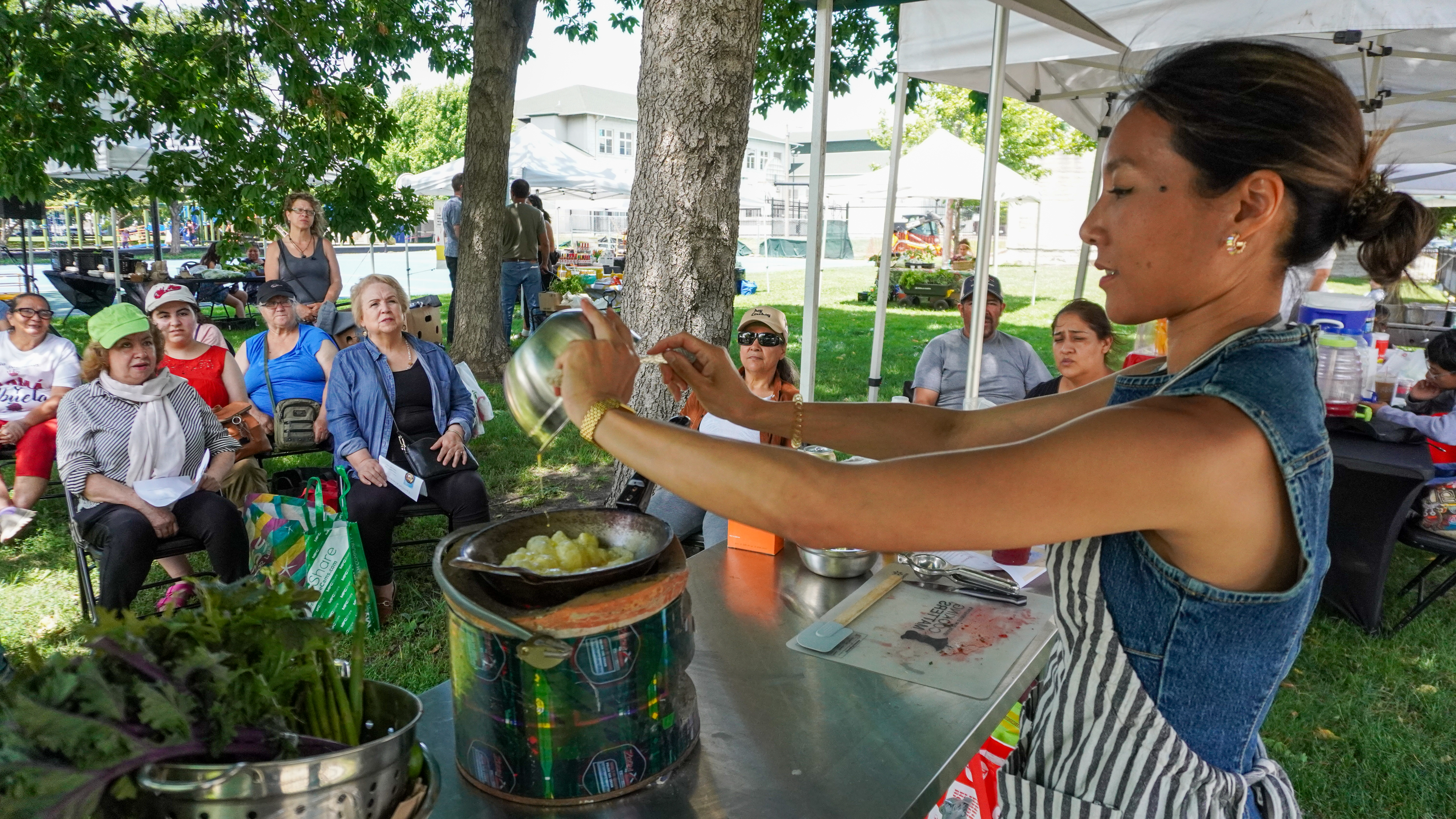
“Sometimes there’s a lack of awareness of what a vegetable is, how you use it, how you can incorporate it into your own more traditional cooking,” said Pereira. “Our goal is to keep encouraging people to try new things. And, of course, to feel how much better they can feel after eating them.”
Year-Round Access, Every Corner of the Neighborhood: Garfield Park Community Council
In Garfield Park, identified by the Chicago Department of Public Health as a top-priority neighborhood in 2025, the Garfield Park Community Council (GPCC) has built something rare: an interconnected set of food access programs that meet residents wherever they are.
Here, community-driven food access is a necessity. In 2021, a new big-box grocery store closed in the middle of the night, leaving residents with little more than gas station shelves to shop from. For Angela Taylor, GPCC’s Wellness Director and a lifelong West Sider, the urgency is personal: “It’s something for us, by us. We can feed ourselves in the absence of a grocery store. That’s liberation.”
A $25,000 grant from PHA will support GPCC’s neighborhood market and its network of 10 community gardens, many planted on vacant lots left behind by the neighborhood’s housing crisis. The Muzz Mobile — a retrofitted golf cart — extends that reach further, delivering fresh produce and value-added products like pickles, salsas, and soup starters to senior housing buildings. “Our seniors have walked through their lives as contributors to this community,” said Taylor. “When there’s no grocery store and you can’t get half a mile to the farmers’ market, it just made sense to bring it to them.”
Their Youth Garden Corps, now in its 13th year, pairs paid workforce development for local teens with hands-on garden and market work. The program’s deepest returns show up years later: one former corps member who joined not knowing a string bean from a carrot went on to change his college major and now leads agricultural programming at a neighboring organization, presenting his methods at a statewide Farmers Market Managers Conference.
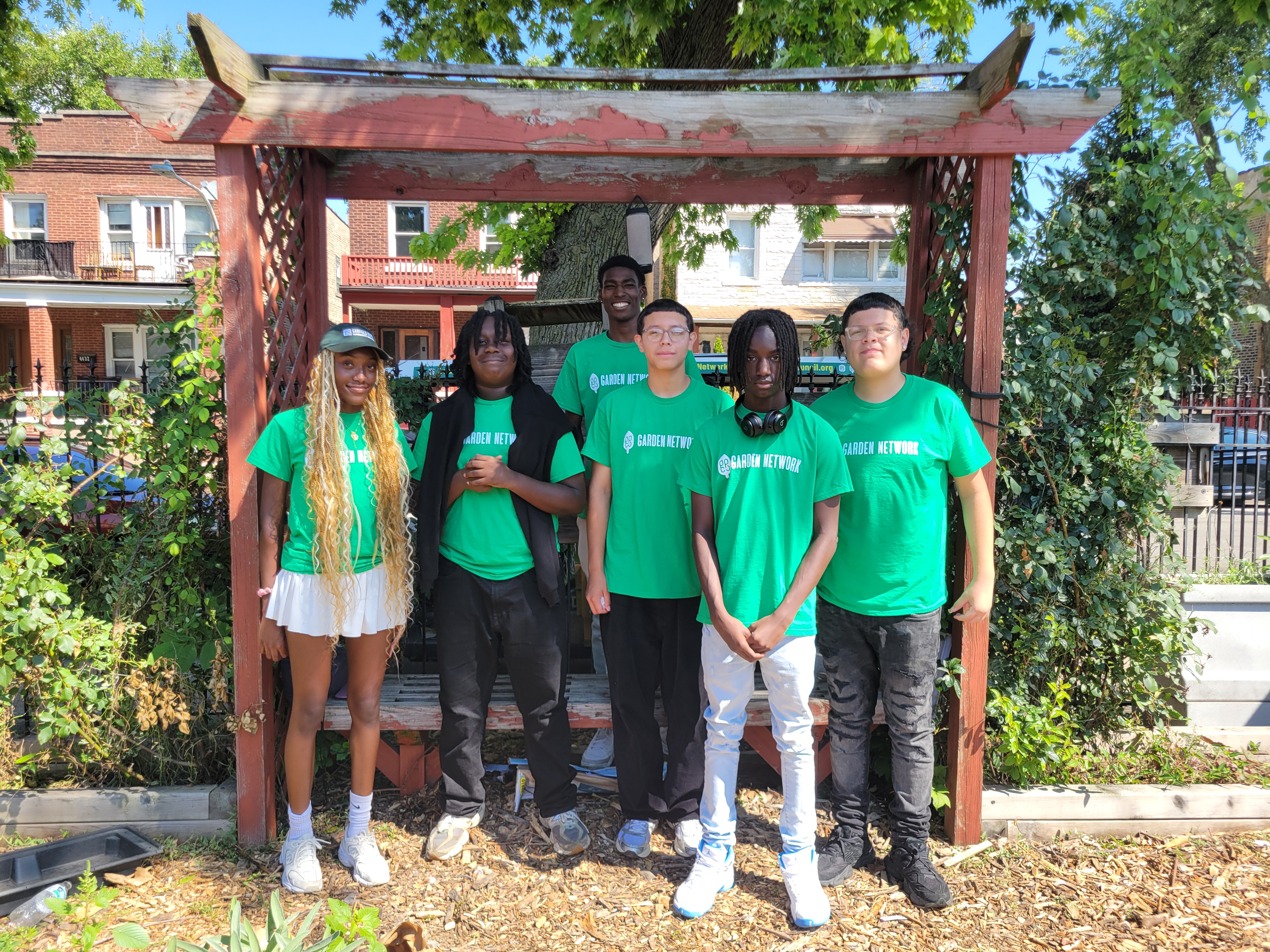
With PHA’s support, GPCC anticipates strengthening these programs and growing its outdoor market from 10 - 12 vendors to as many as 30, deepening the roots of a food system built to stay.
Together, these three grants reflect a core belief behind Good Food Cities: the most durable food systems are the ones built by the communities they serve. In Chicago, that means licensing the gardener who has been growing food for years but never had a legal way to sell it. It means keeping a farmers market alive in a neighborhood where vendors might otherwise go elsewhere. It means making sure fresh food reaches the seniors who can’t get out.
PHA’s Good Food Cities initiative is active in six cities nationwide, with more than $300,000 invested in community subgrants to date. Chicago joins Indianapolis, Denver, and others in a growing network of cities proving that when you invest in local people and local infrastructure, communities build food systems that last.

Thank you to our corporate partners
This work is made possible by generous support from Amazon Access, Builders Vision, Instacart and Novo Nordisk.
Learn more