Reimagining Food Retail: How Denver Is Building Community-Powered Grocery Stores
In 2015, Montbello, a predominantly Black and Latino neighborhood in northeast Denver, lost its only full-scale grocery store. For over 10 years, residents have had to rely on a nearby dollar store and 7-Eleven to get limited groceries. Those who have cars travel to other neighborhoods to do their shopping, but that isn’t an option for everyone.
To fill this urgent gap, a group of six community organizations, led by Montbello Organizing Committee, formerly known as the Denver Fresh Food Market Consortium, is working together to launch a new nonprofit grocery chain called FreshLo Market.
Modeled after Boston’s popular nonprofit grocery store Daily Table, FreshLo Market will offer healthy, culturally relevant food to residents at discounted prices and create 60-70 new local jobs. Each store will also employ certified community health workers to help residents select foods that fit their dietary needs and enroll in federal food programs like SNAP and WIC.
“This is what the community has asked for for decades,” said Donna Garnett, CEO of Montbello Organizing Committee. “They want an affordable grocery store in their own neighborhood that allows for the dignity of choice.”
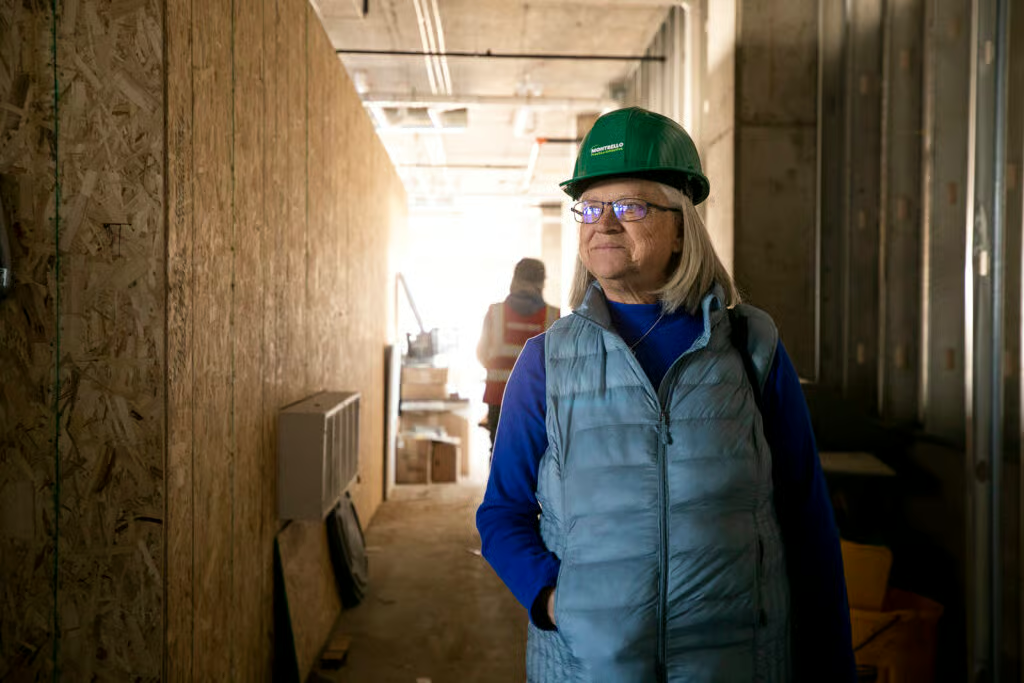
There are four FreshLo markets opening this year in Montbello, Sun Valley, Clayton and Mariposa. Each store is strategically located near urban farms and school gardens that FreshLo will be procuring fresh, local produce from. The stores will also be stocked with dairy products, meats, and grab-and-go meals prepared by youth enrolled in Denver Housing Authority’s Youth Employment Academy.
PHA is proud to be supporting the opening of FreshLo Markets as part of our Good Food Cities work in Denver. Good Food Cities is an initiative to increase the supply, access and promotion of fruits and vegetables in 15 cities by 2030.
To help make Denver a Good Food City, PHA is providing $100,000 to four community organizations working on innovative place-based solutions that fill urgent food gaps, including Montbello Organizing Committee, Commún, Southwest Food Coalition and Sun Valley Community Center.
From Food Pantry to Community-Owned Market
In Southwest Denver, Commún is also opening an equity-based grocery store to serve the local community. They started their food sovereignty program in 2020 in response to the COVID-19 pandemic. For five years, they hosted weekly, drive-through distributions in their parking lot and recently transitioned to a market-style pantry, where participants can pick the items they want instead of receiving a pre-packaged box.
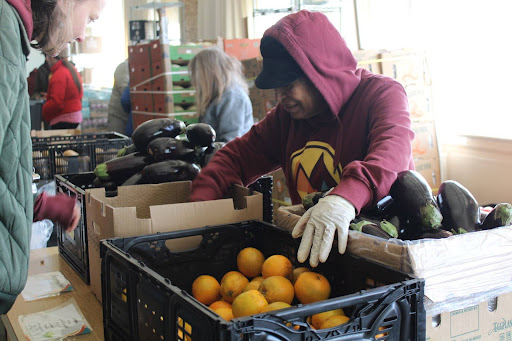
This year, with support from PHA and input from thousands of community members, Commún is taking the next step, transitioning its food sovereignty program from a pop-up market to a permanent equity-based grocery store.
The store will provide free and low-cost nutritious food to local residents sourced from regional Black, Indigenous and People of Color (BIPOC) farmers and producers. The decision to transition to a dignity-based paid model was based on feedback from community members who said they wanted to decrease reliance on outside grant funding and have more ownership and control over their food environment.
To honor that, Commún works with community members with lived experience to run all aspects of the market - from volunteer coordination, to participant registration, to transporting and delivering food from partners, to site cleaning.
“What we’ve heard from people is that they’re excited to support a market that is based in the community, run by the community and supports the local agriculture and farming ecosystem,” said Laura Engelman, Program Manager at Commún. “This model will help us build a resilient supply chain that keeps wealth circulating locally.”
The market is currently only open one day a week, but with support from PHA, Commún hopes to expand their operating hours.
“Our goal is to expand our operations, but that requires more capacity,” said Laura. “With PHA’s support we’re able to expand the number of hours that people are working and earning money, which also provides greater food access for the community.”
PHA is also supporting the Southwest Food Coalition and Sun Valley Community Center in Denver. Southwest Food Coalition will be using their grant to expand their cold storage by 50% to distribute eight additional pallets of produce monthly to its network of over 50 community partners, including schools, community centers and food pantries. Sun Valley Kitchen will be using their grant to develop an urban farm, expand their no-cost grocery program, and enhance the nutrition education programming they offer.
Together these investments are helping build a stronger, more resilient food system in Denver - one that expands access to fresh, nutritious food while creating economic opportunity for local residents and farmers. By supporting these community-led solutions we’re helping build a good food economy in Denver where every resident can easily access healthy, affordable food close to home.

Thank you to our corporate partner
PHA’s Good Food Cities work is made possible by generous support from Novo Nordisk.
Learn More